
HEALTHY AGEING April 2026
Understanding osteoporosis: why bone health matters before a fracture occurs
Osteoporosis is often described as a silent condition. This is because many people do not know their bones have become fragile until a fracture occurs. By that stage, the impact can be significant, particularly for older adults, where a fracture may lead to pain, loss of confidence, reduced mobility, hospitalisation, or a longer period of recovery.
Bone health is therefore not just about preventing fractures. It is also about maintaining independence, confidence, and quality of life.
What is osteoporosis?
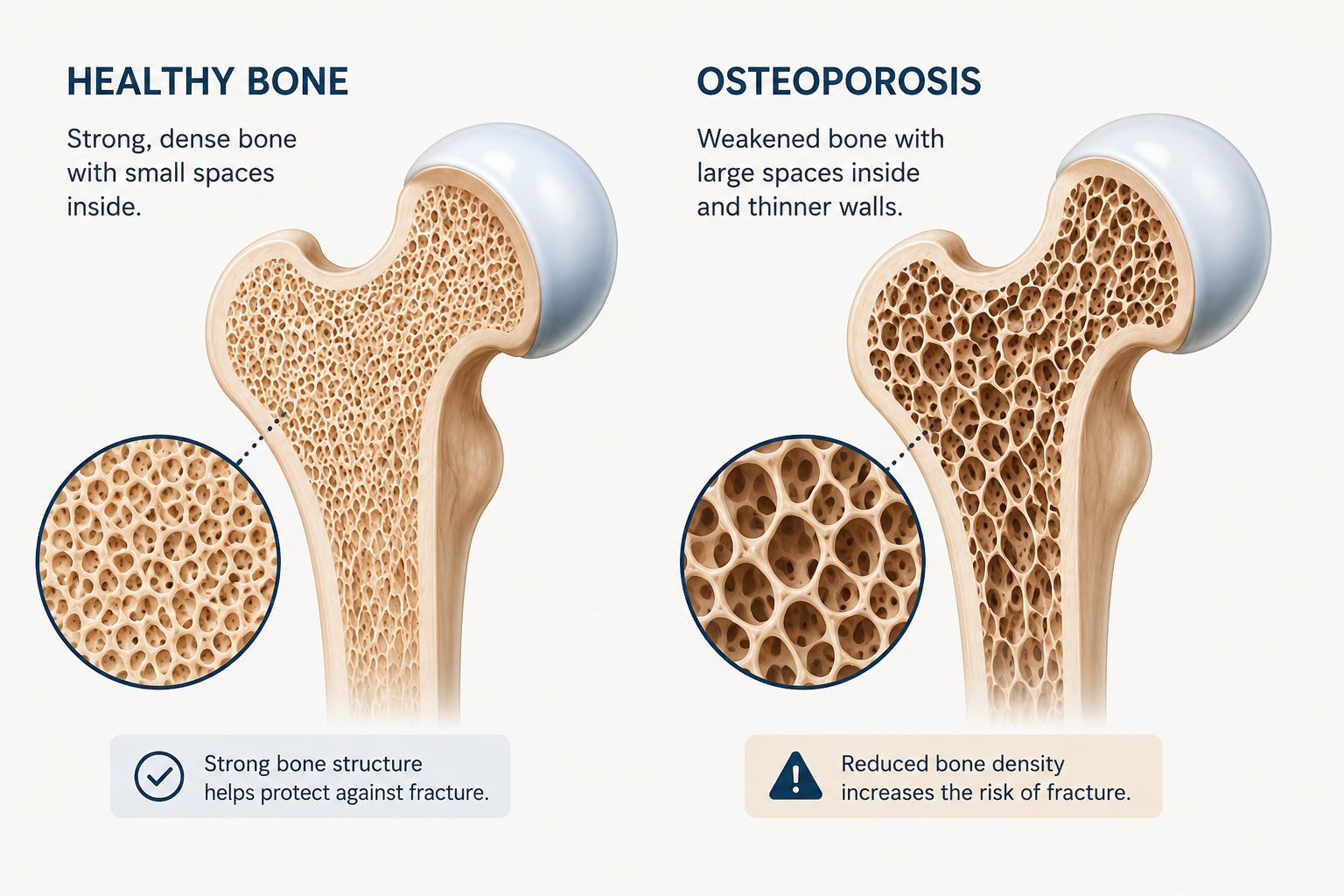
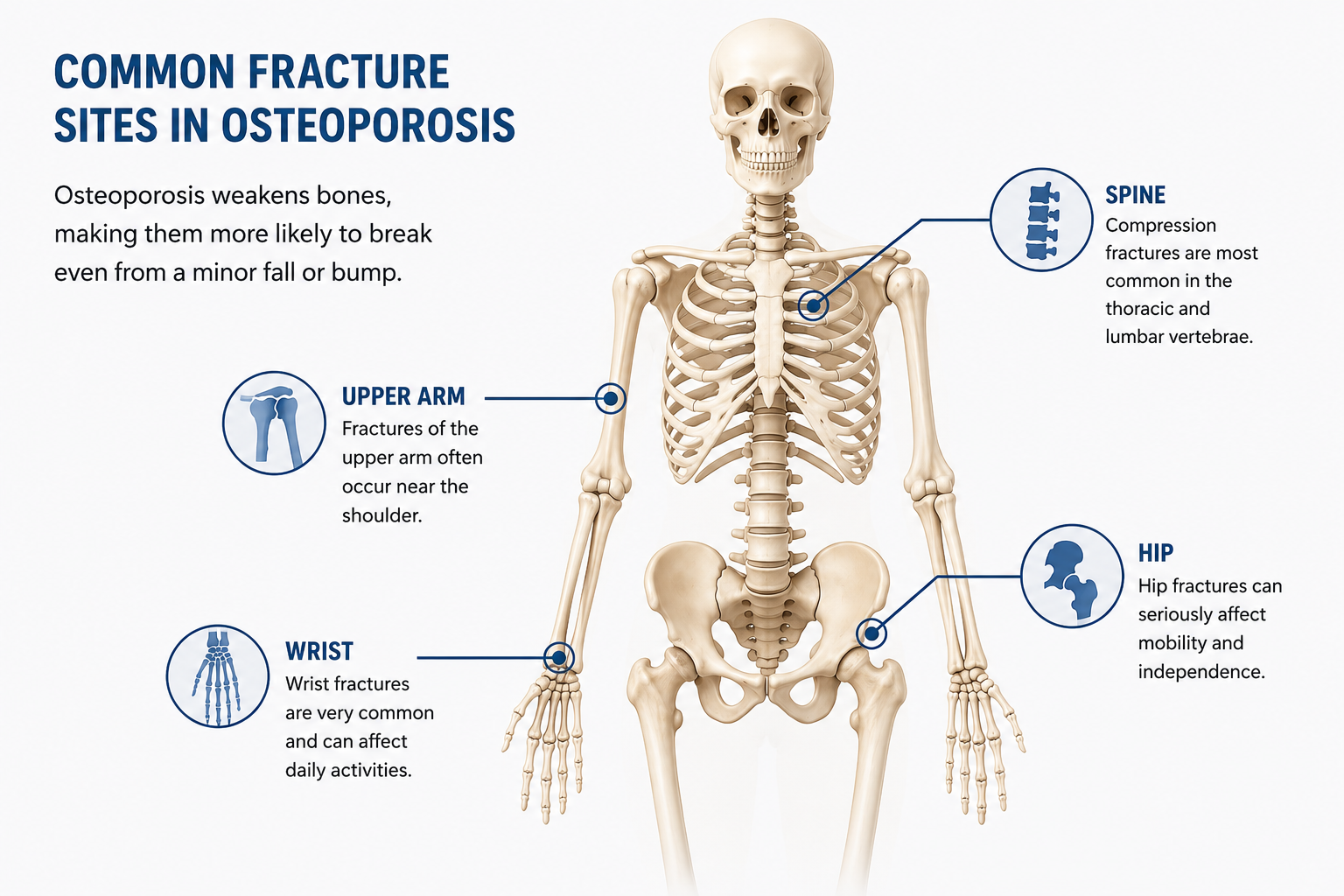
Osteoporosis is a condition where bones become less dense and more fragile. This makes them more likely to break from a minor fall, bump, or movement that would not usually cause a fracture. Common fracture sites include the hip, spine, wrist, and upper arm. 1
A related condition, called osteopenia, means bone density is lower than expected but has not yet reached the level of osteoporosis. Both conditions are important because they can indicate an increased risk of future fracture.
Why it is often missed
Osteoporosis usually does not cause symptoms in its early stages. There may be no pain, no visible change, and no obvious warning sign. Some people only learn they have osteoporosis after a fracture, or after a scan is arranged because of risk factors.
A fracture after a simple fall or minor injury should not be dismissed as “just bad luck”. In adults over 50, a fracture from a minor bump or fall should prompt consideration of underlying osteoporosis and future fracture risk. 2
Who is at risk?
Bone density tends to reduce with age. Women are at increased risk after menopause because of hormonal changes, but osteoporosis also affects men, particularly later in life.
Risk can also be increased by:
a previous fracture from a minor fall or injury
family history of osteoporosis or hip fracture
long-term use of steroid medications
low body weight or unintentional weight loss
low calcium intake or vitamin D deficiency
reduced mobility or low levels of weight-bearing activity
smoking or higher alcohol intake
some medical conditions, including inflammatory, hormonal, kidney, gut, or cancer-related conditions
Risk is not always obvious from age alone. This is why a careful clinical review can be useful, particularly when several smaller risk factors are present.
How osteoporosis is assessed
Assessment usually begins with a discussion about fracture history, falls, medications, medical conditions, family history, diet, mobility, and lifestyle factors. A bone density scan may be recommended to measure bone strength and help guide treatment decisions.
In some cases, blood tests may also be arranged to look for contributing factors such as vitamin D deficiency, thyroid disease, kidney disease, calcium imbalance, or other medical conditions affecting bone health.
Current Australian guidance encourages earlier recognition of poor bone health using clinical risk factors and, where appropriate, fracture risk assessment tools. 3
Why treatment is about more than calcium
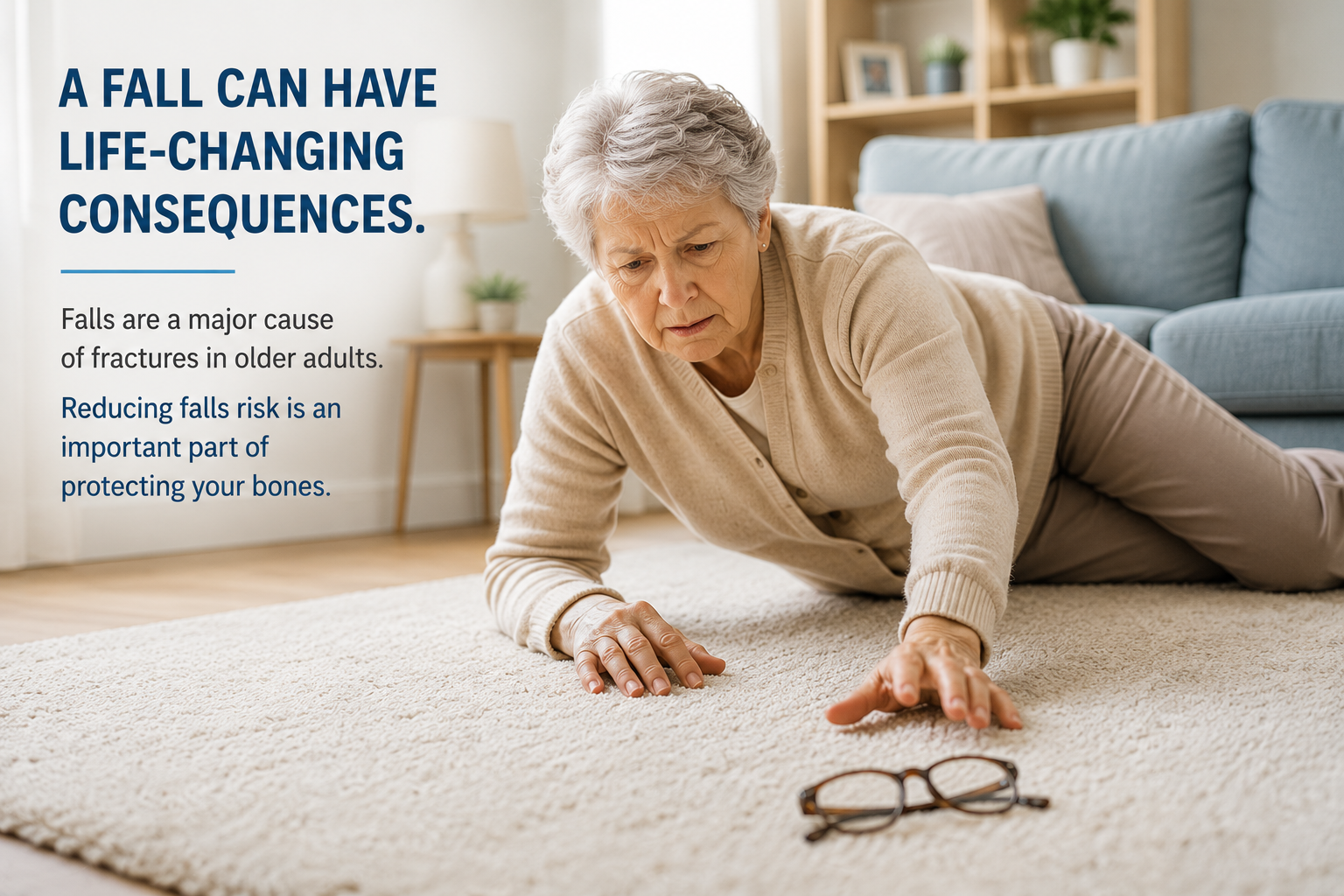
Calcium and vitamin D are important, but they are only part of the picture. Bone health also depends on muscle strength, balance, nutrition, medical conditions, medication effects, and falls risk.
For some people, lifestyle measures and monitoring may be appropriate. For others, medication may be recommended to strengthen bones and reduce fracture risk. Treatment decisions should consider the person’s overall health, fracture risk, kidney function, other medications, and preferences.
This is especially important in older adults, where osteoporosis often overlaps with other health issues such as frailty, dizziness, reduced mobility, or multiple medications.
What can help protect bone health?
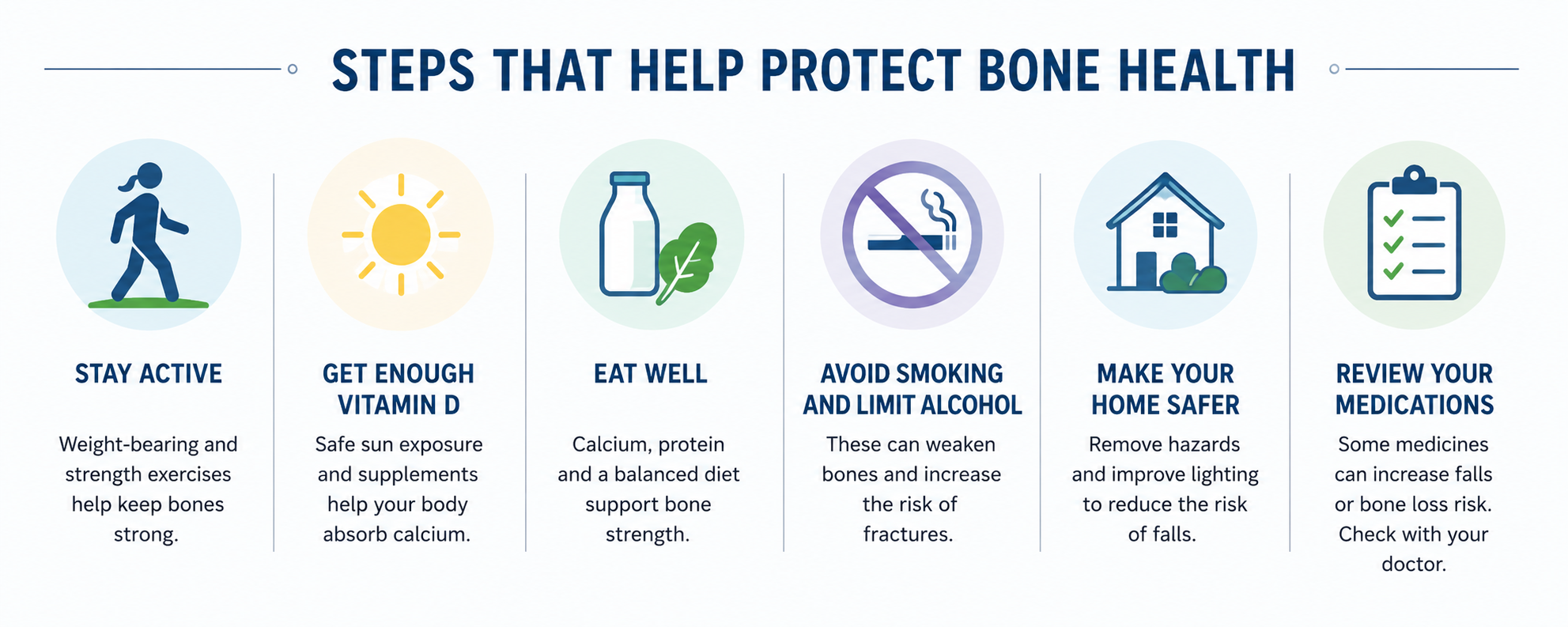
Practical steps may include:
regular weight-bearing and resistance exercise, suited to the person’s ability
balance and strength training to reduce falls risk
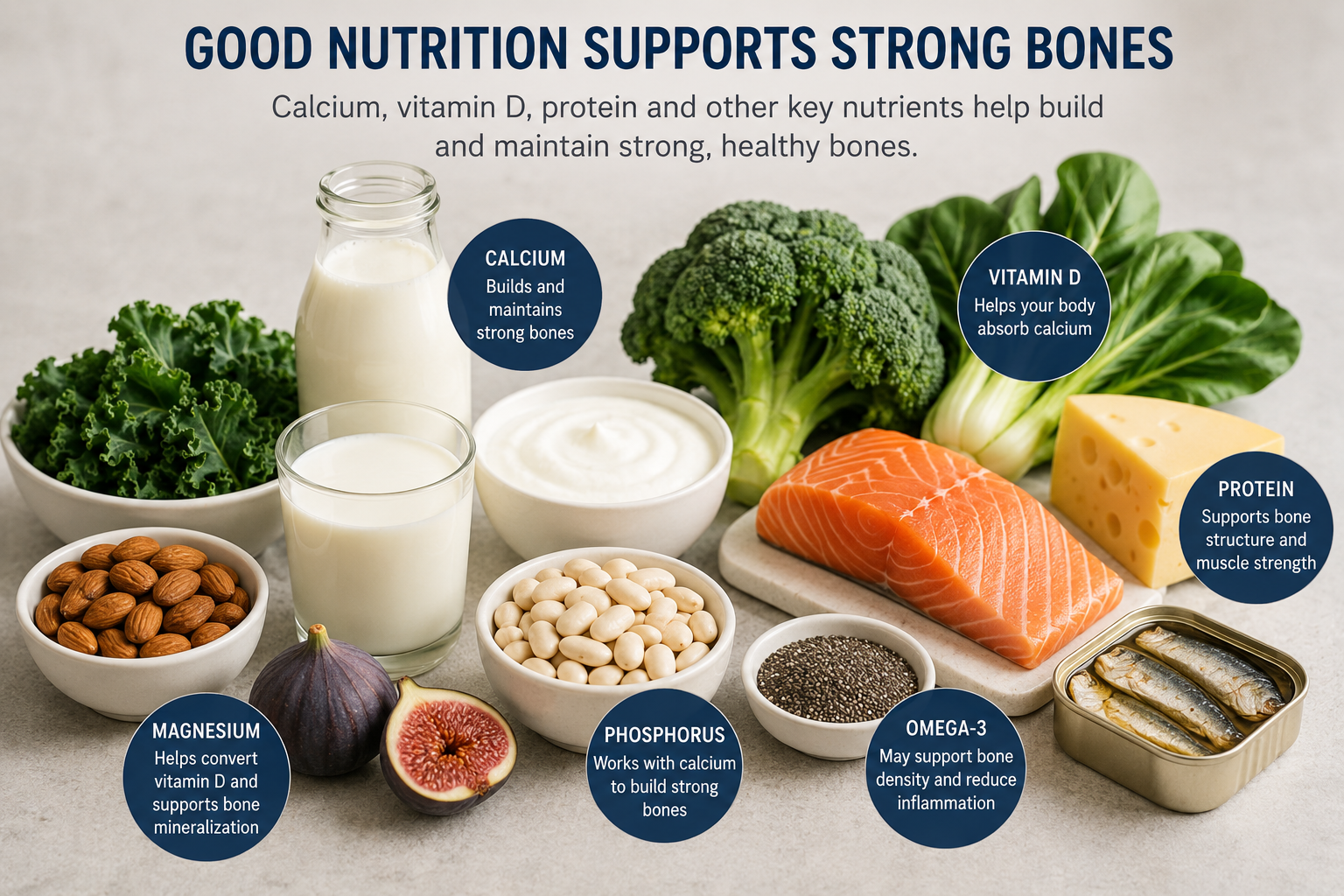
adequate calcium, protein, and vitamin D
reducing smoking and limiting alcohol
reviewing medications that may increase falls or bone loss
assessing vision, footwear, dizziness, and home safety
treating osteoporosis when medication is appropriate
Healthdirect notes that bone health can be supported through adequate calcium, vitamin D and protein intake, physical activity, smoking reduction, alcohol moderation, and regular weight-bearing exercise. 4
The importance of acting early
The best time to think about osteoporosis is before a fracture occurs. Identifying risk early allows steps to be taken to protect bone strength, reduce falls, and preserve independence.
For patients who have already had a fracture, timely assessment is also important. One fracture can be a warning sign that the risk of another fracture is higher, and that further prevention may be needed.
Osteoporosis is common, but it is not something that should simply be accepted as part of ageing. With the right assessment and management plan, many people can reduce their fracture risk and remain active, mobile, and independent for longer.
If you are concerned about osteoporosis, falls, or fracture risk, speak with your GP about whether further assessment is appropriate. A specialist physician review may be helpful when bone health concerns occur alongside other medical conditions, medication issues, falls, or changes in mobility.